With the rapid development of smart cities and communication networks, public spaces such as urban roads, residential areas, and commercial districts are placing higher demands on stable signal coverage and safe power supply.
The Photoelectric Integrated Box (Optical & Power Integrated Cabinet) is a comprehensive access solution designed for modern urban communication systems. It is widely used in communication base stations, micro base stations, and distributed network nodes.
Ⅰ. What Is a Photoelectric Integrated Box?
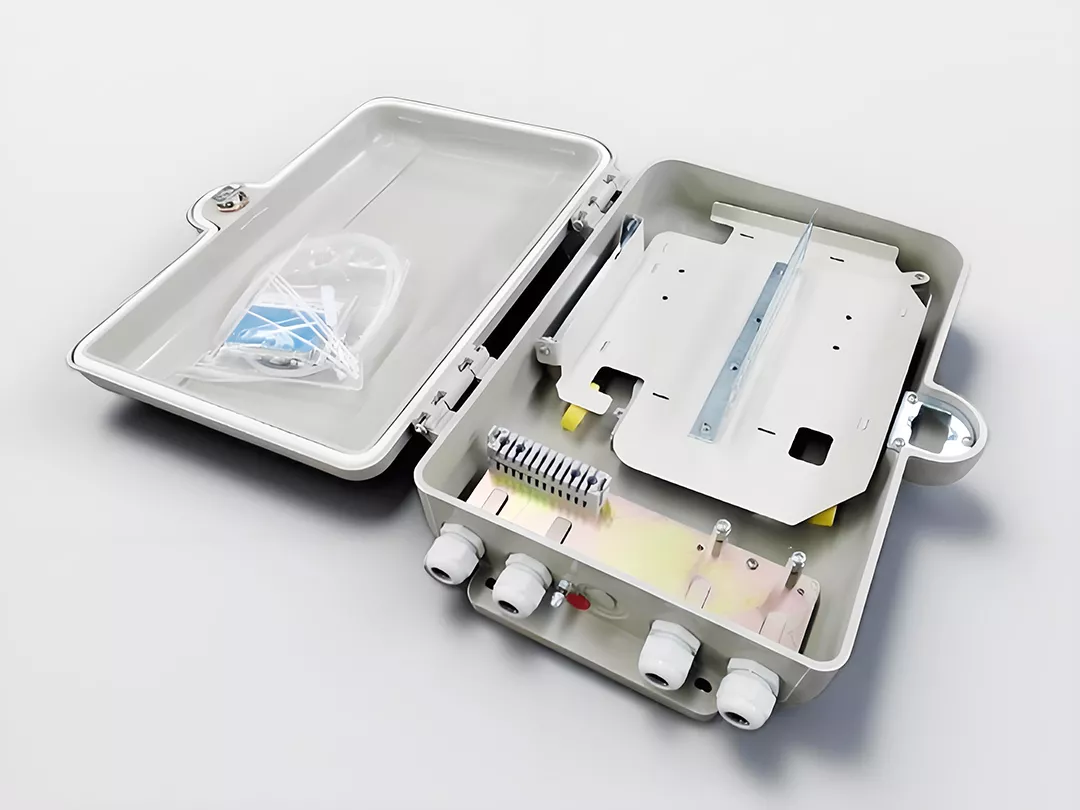
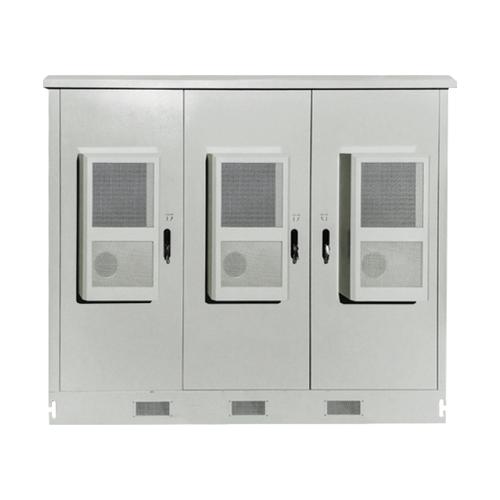
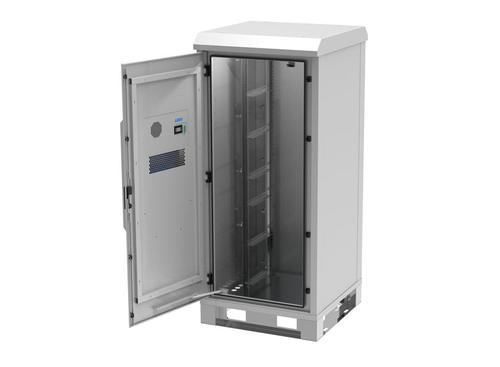
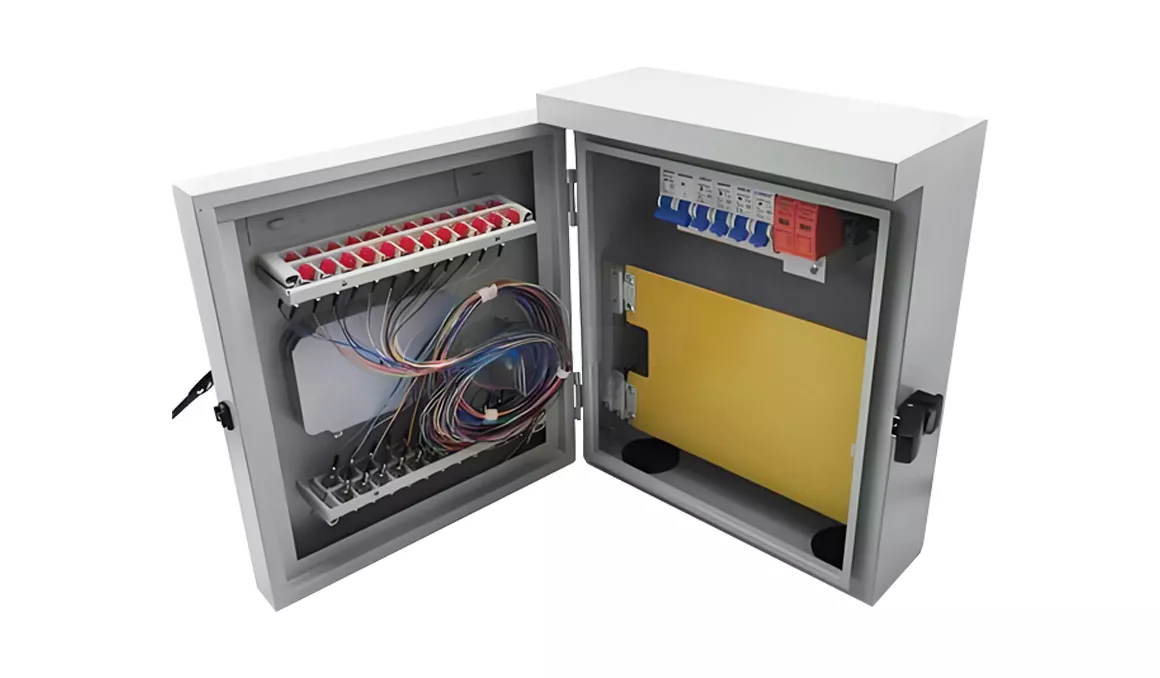
A photoelectric integrated box is a cabinet that combines optical fiber distribution and AC/DC power distribution in a single enclosure.
Through its integrated design, it can:
Connect and distribute incoming optical cables to fiber terminal equipment
Manage and schedule optical fiber connections in an organized way
Provide centralized access and management of AC and DC power within the site
Compared with traditional separate fiber distribution boxes and power cabinets, the photoelectric integrated box is more compact, easier to install, and simpler to maintain.
Ⅱ. What Does a Photoelectric Integrated Box Do?
1. Optical Fiber Access and Distribution
The cabinet includes optical fiber distribution modules that support fiber entry, fusion splicing, port allocation, and cable management. This ensures stable and reliable optical signal transmission to meet the performance requirements of communication systems.
2. AC/DC Power Distribution and Management
Built-in AC and DC power distribution units allow for centralized power access, distribution, and cable management, providing safe and stable power supply for communication equipment and micro base stations.
3. Integrated Optical and Power Design
By combining optical fiber and power systems in one cabinet, the photoelectric integrated box reduces the number of on-site devices, improves system integration, and enhances overall operational efficiency.
III. Where Is It Used?
The photoelectric integrated box is suitable for a wide range of urban and public environments, especially for distributed communication nodes:
Residential communities
Urban main roads and streets
Commercial areas
Underground parking garages
Communication base stations and micro base stations
In these applications, the cabinet serves not only as a connection and power supply unit, but also as a key infrastructure node that supports stable network operation.
Ⅳ. Key Advantages
Integrated optical fiber and power design, saving installation space
Clear and organized internal layout, easy installation and maintenance
Support for AC and DC power distribution, ensuring safe and reliable operation
Suitable for various outdoor and semi-outdoor environments
Easy integration with existing urban infrastructure, with a clean and neat appearance
Ⅴ. A Foundation for Future Urban Communication Networks
As 5G, IoT, and smart city applications continue to expand, communication networks are becoming more distributed and flexible. By integrating optical communication and power supply into one solution, the photoelectric integrated box provides a solid foundation for urban signal coverage and leaves sufficient room for future network upgrades.
——END——